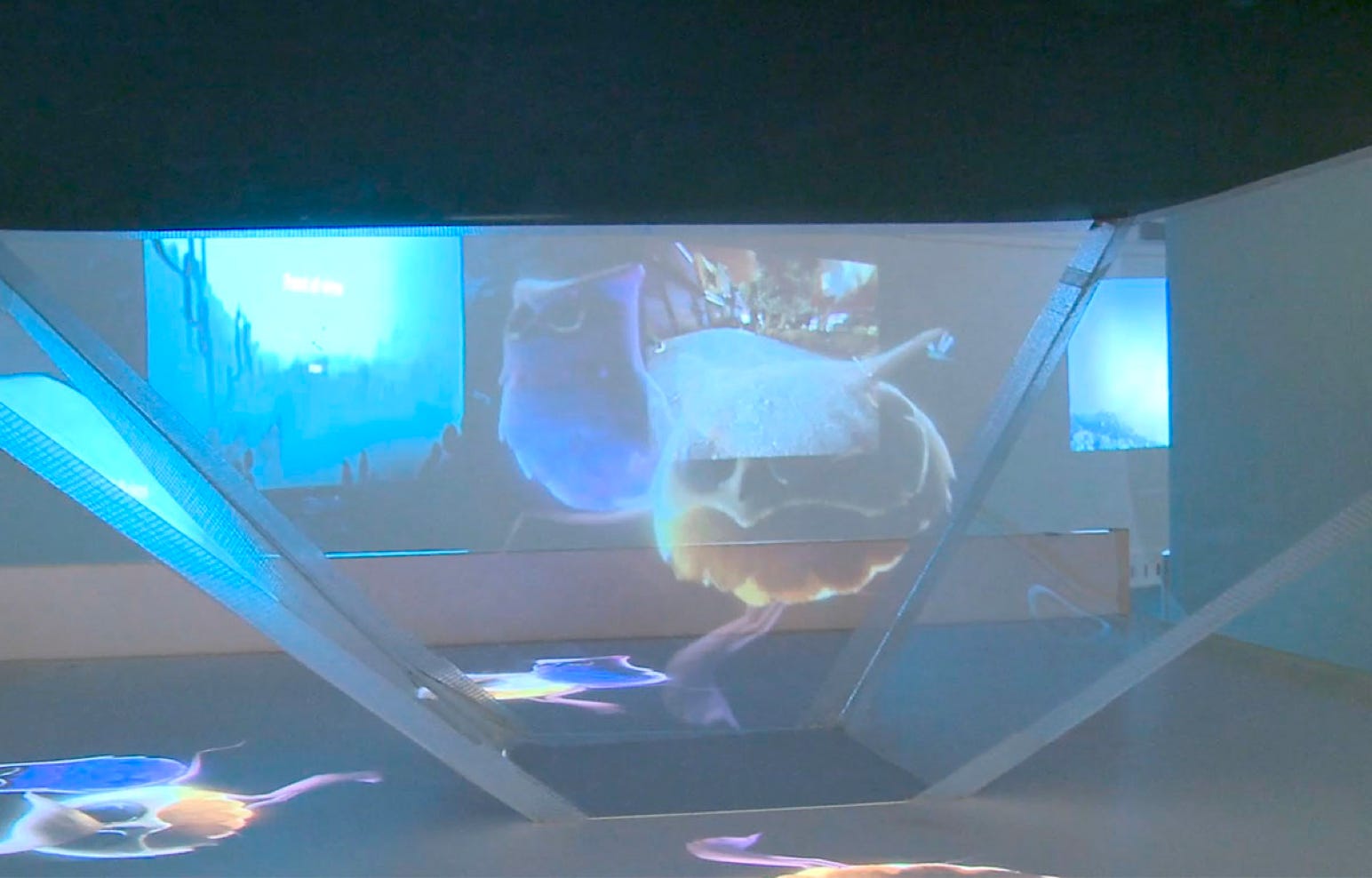
Projects > Nature Embedded > Day and Night
Day and Night
My Role(s): Brainstorming, Bridging gap between Artists and Developers, 3D Asset Creation, Animation, Programming
Introduction
It is usually the case that one’s daily rhythms are guided by the movements of the sun – the regularities of sunrise and sunset working as templates for our everyday activities. It is also true that once dark, the world goes into a slumber, certainly in the countryside. And with some regularity even in the city. Our habits form from largely daytime rhythms. And with nightfall we lose our bearings with the outside world.
Just as the sun works like a clock in the daytime, is there something that could work at night? Like the sun, which is Nature’s gift to all living beings, can we find something that could work like a night clock?

The concept
The owl is a nighttime time-keeper who unfailingly wakes up with dark. It is the bird we forget to remember because it stays out of sight.
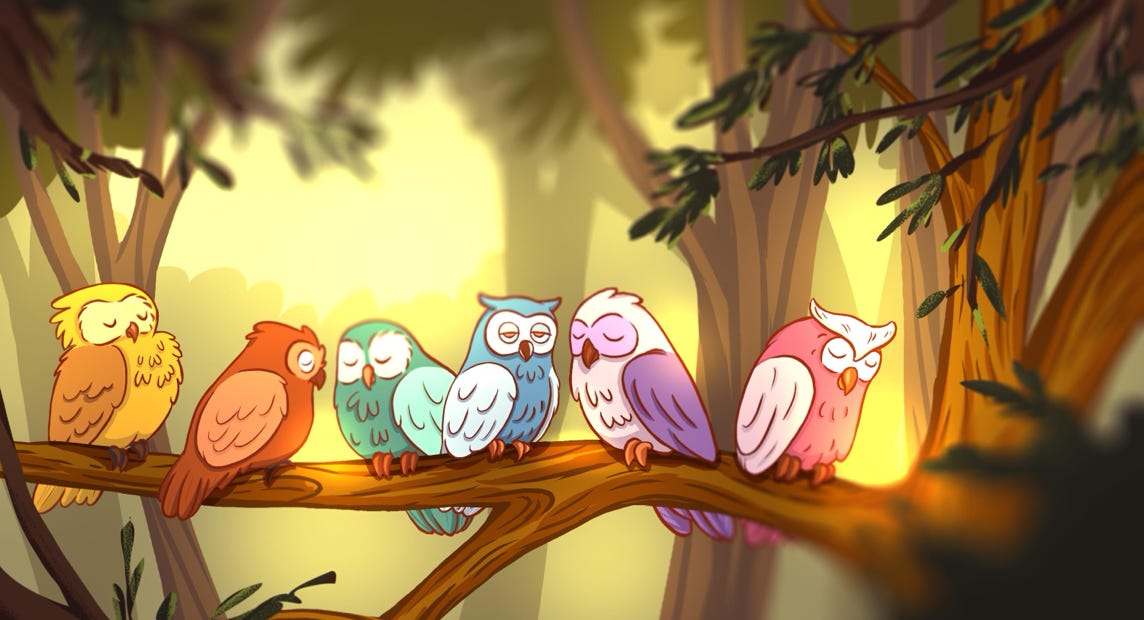
The Owl Clock’s appeal lies in its being a binary opposite to the sun. When the sun is up, the owl is asleep. When the sun sets, the owl wakes up.
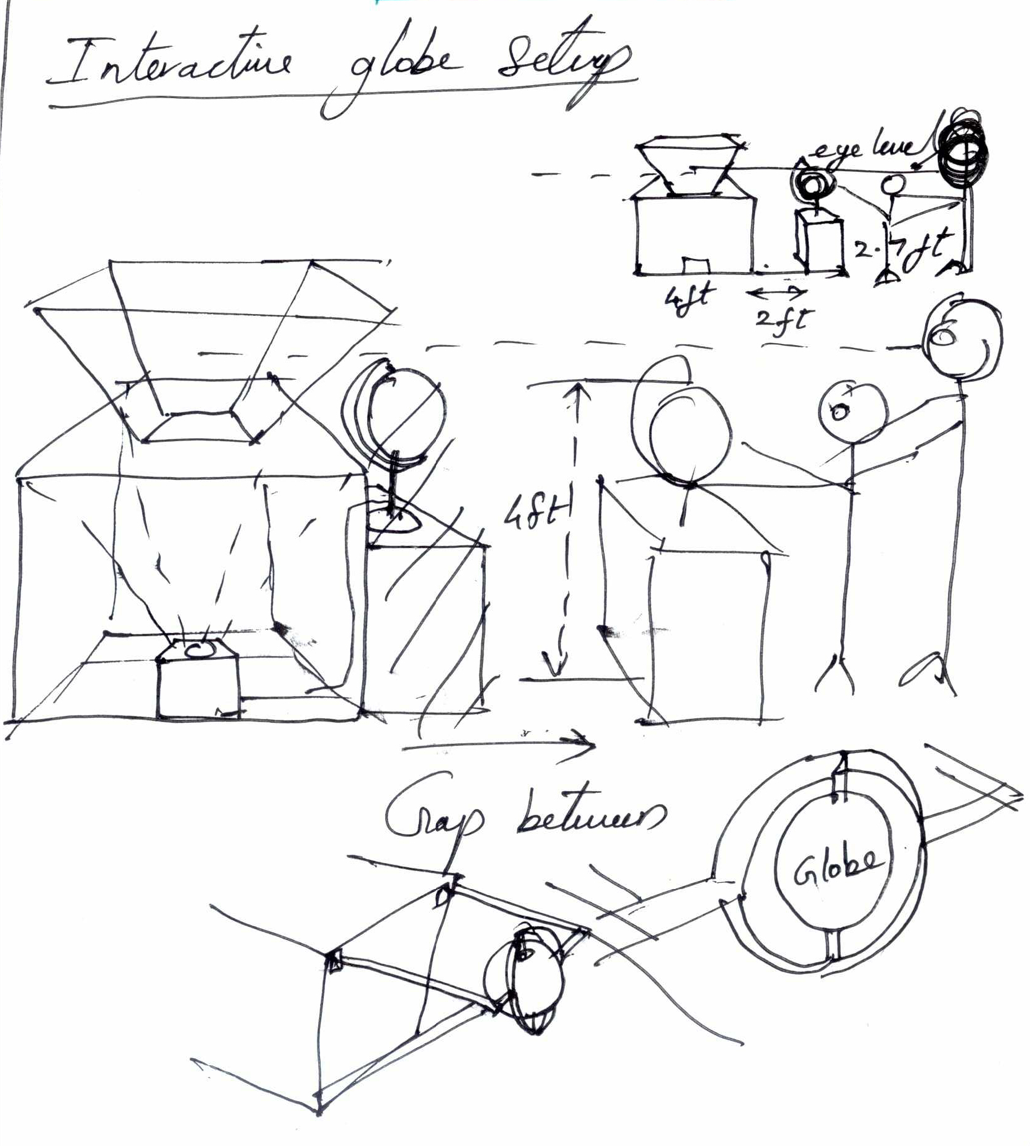
Being in the domain of tangible interaction, the user interacts with a physical globe, lit by a light source (the sun). And then, based on the touch and rotational gestures on the globe, the owl changes behaviour. In the process, the user interacts with the owl, understanding its behaviour revolving around its sleep cycle.
Cultural reference
This highlights the importance of body clocks bred by Nature’s rhythms. By presenting the owl, iconic in its appearance with those large round eyes, we tap into the culturally mediated place that the owl has in our pantheon of birds and animals, not forgetting that it is also Goddess Laxmi’s consort.
Research
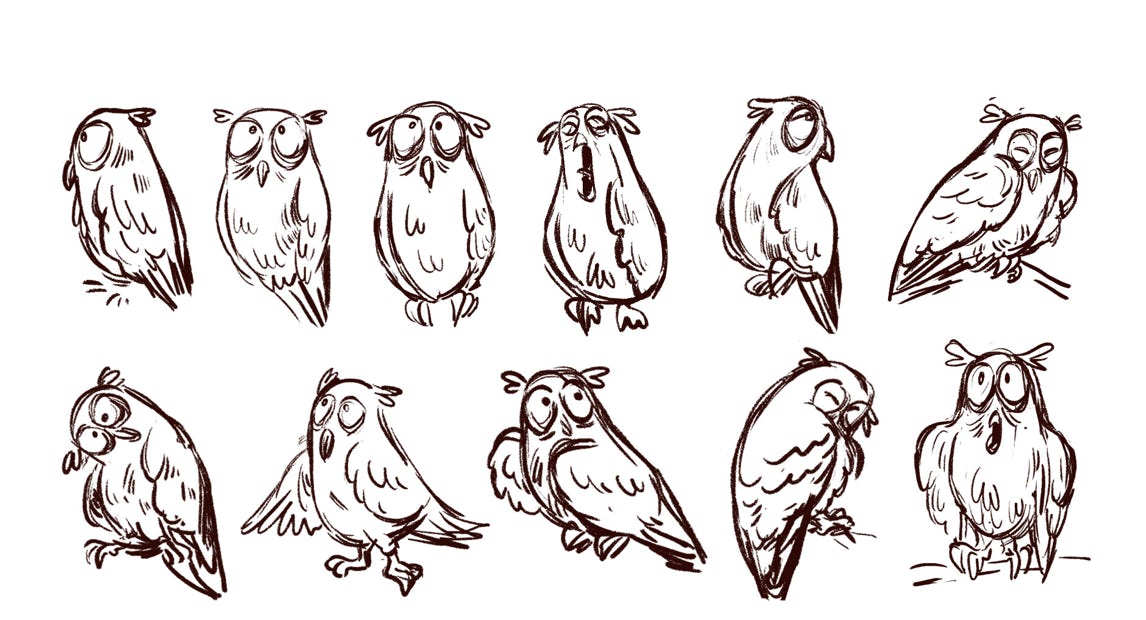
Study material about owl behaviour during day and night mainly came from various videos from wildlife documentaries. We also watched references of owls from various animated cartoons for stylisation.
Exploration
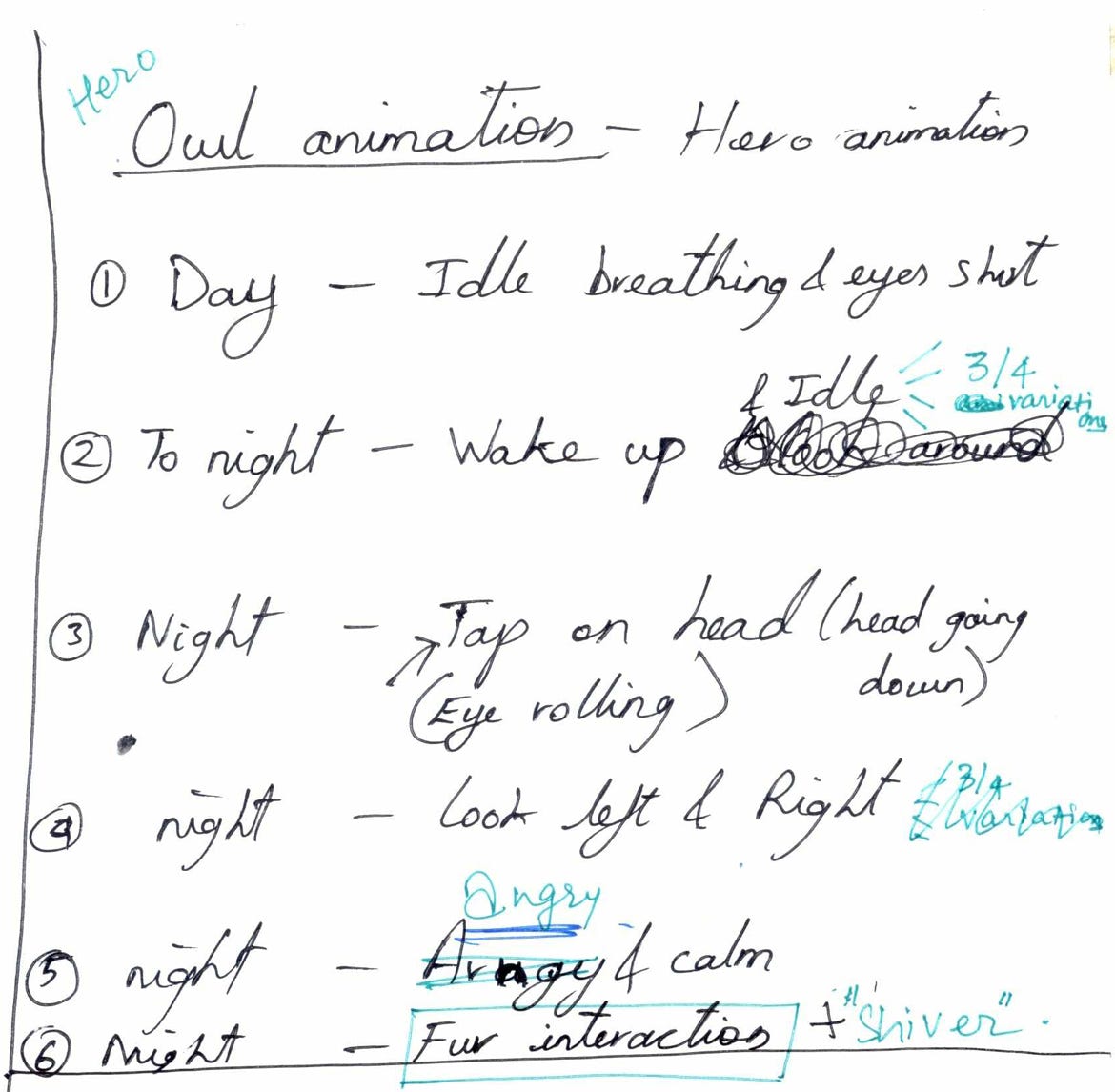
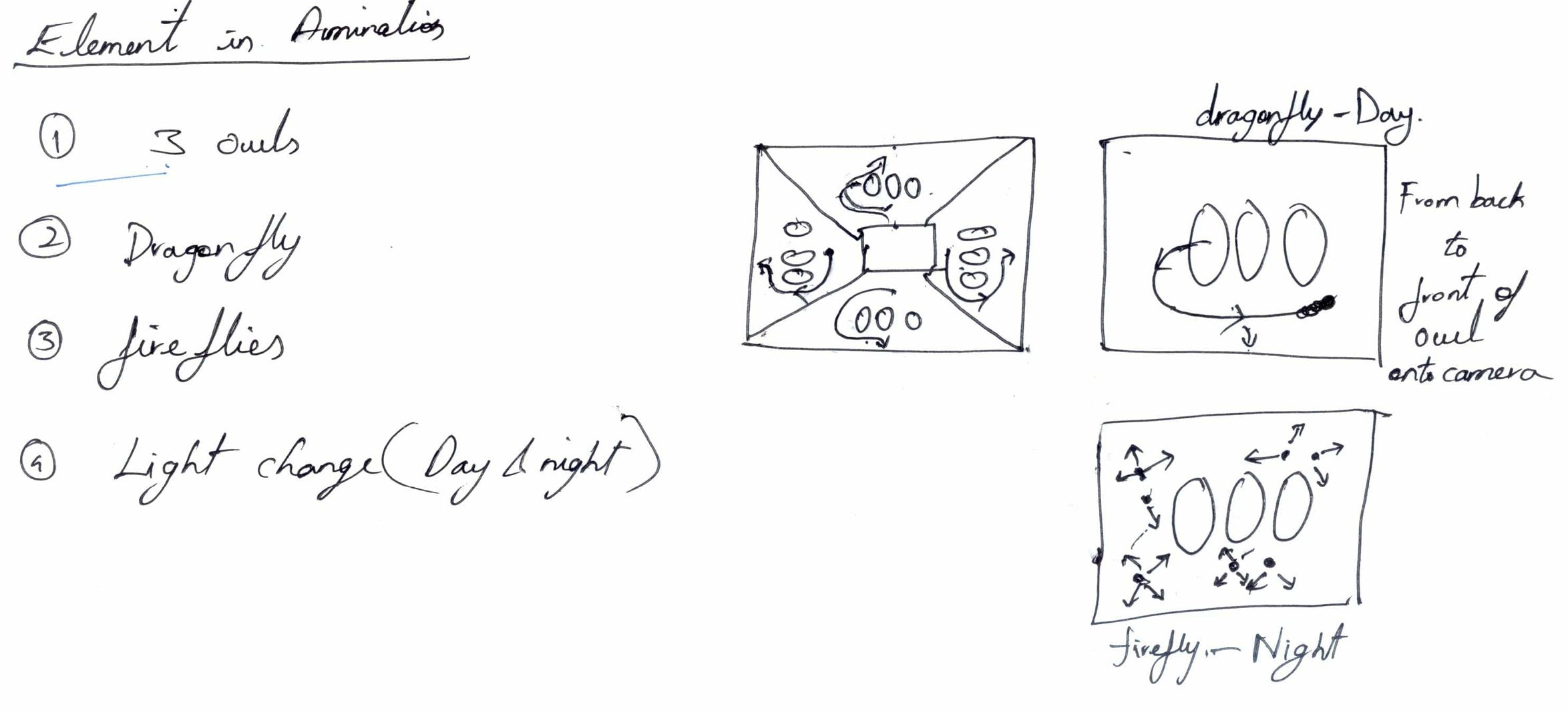
Based on on the possible interactions with the globe, we started mapping various reactions/ movements of the owls.
Challenges
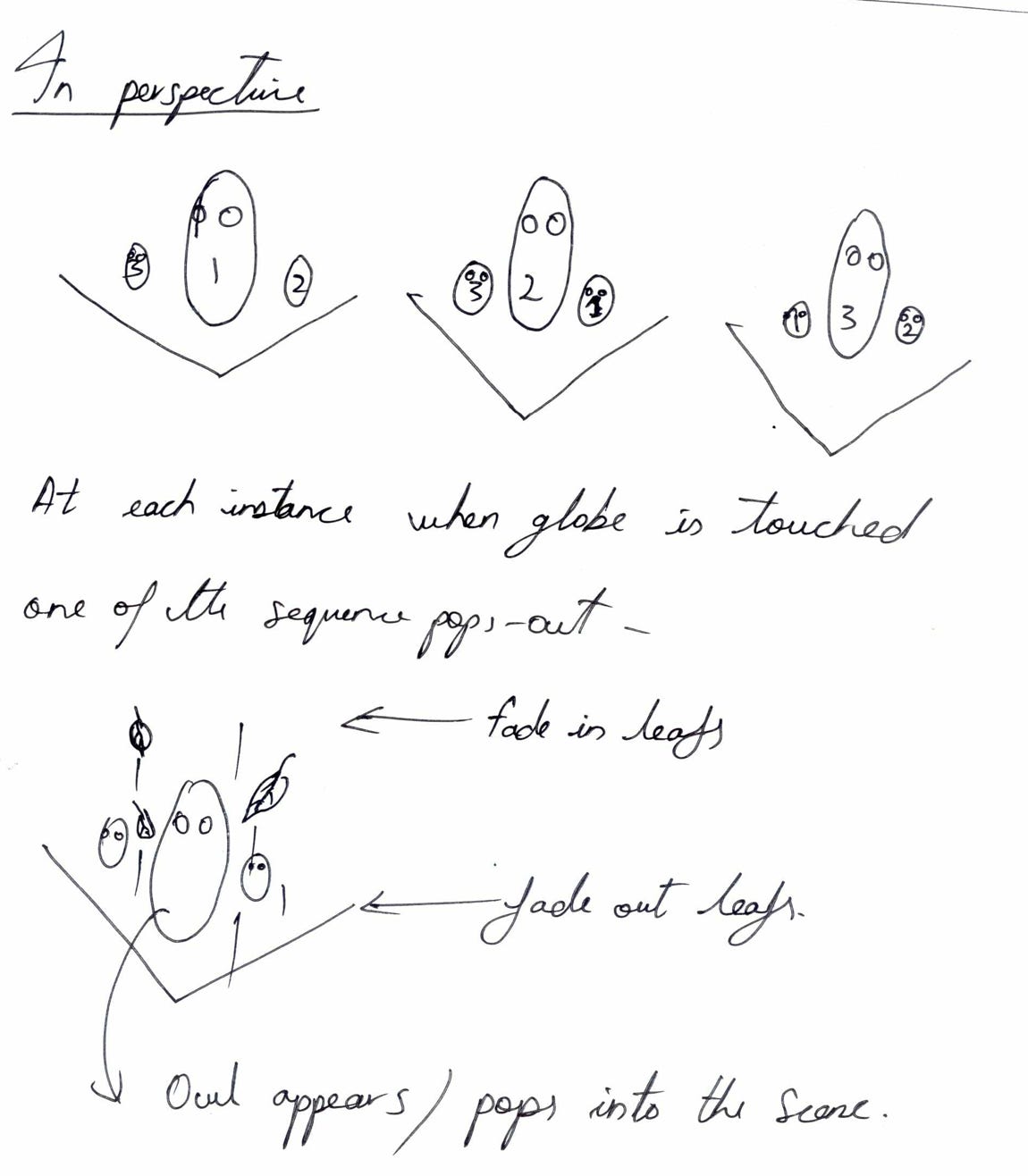
We had three owls and one globe, how does the user control three owls with a single input device?
The globe represents the earth, and we can not have more than one globe.
Solution
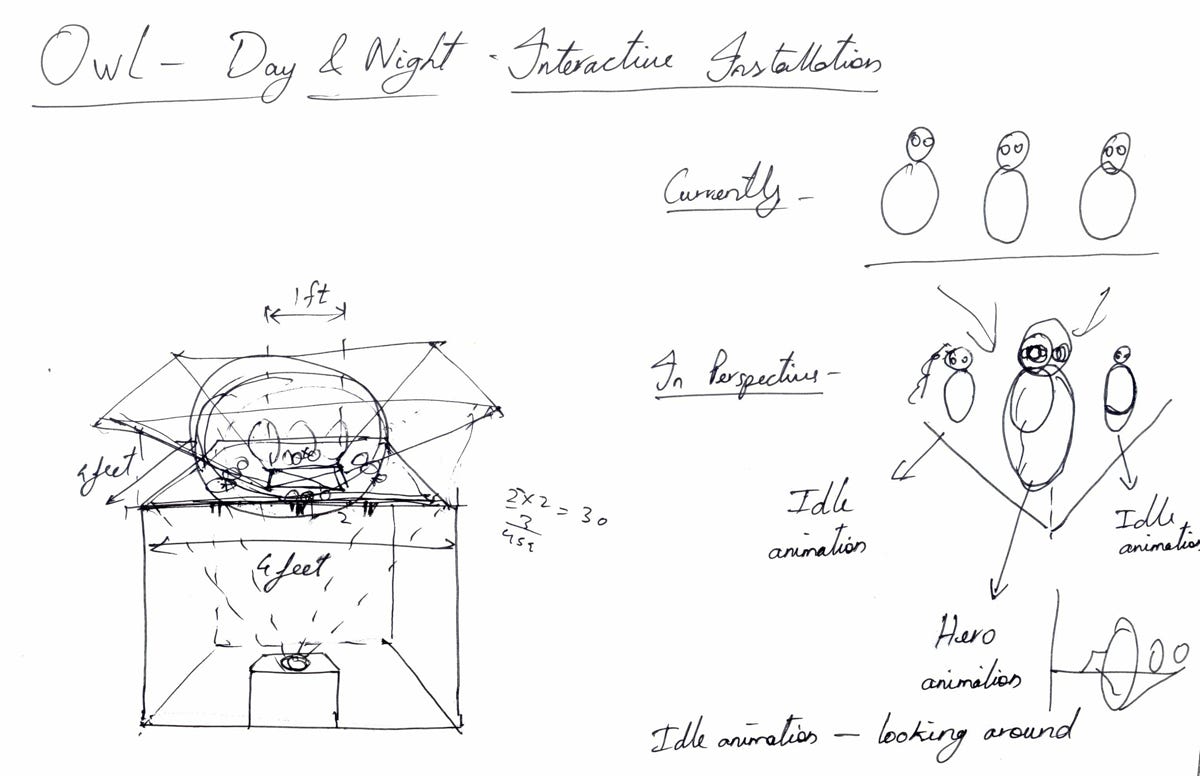
To overcome this challenge, we decided to randomise the sequence of the owls every time the globe is rotated 180°, and the user interacts only with the owl in the centre which we referred to as ‘Hero’. While the other two owls would have randomised animation loops.

Storyboard
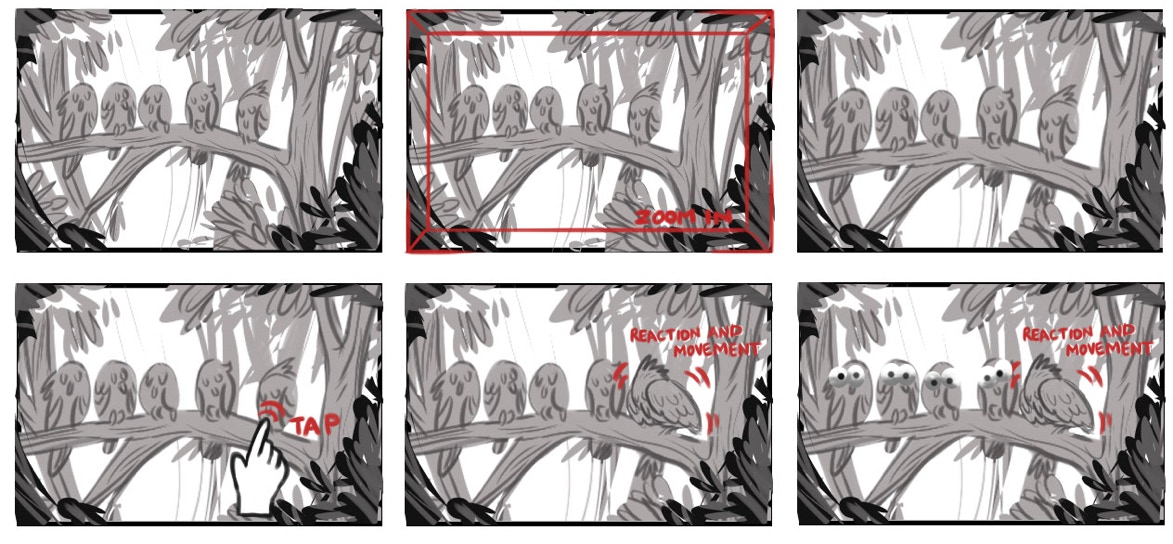
Based on the concept, we drafted a ‘Story’ which was a sequence of events around the owl and drafted a storyboard which would act as the guideline for the processes to follow.
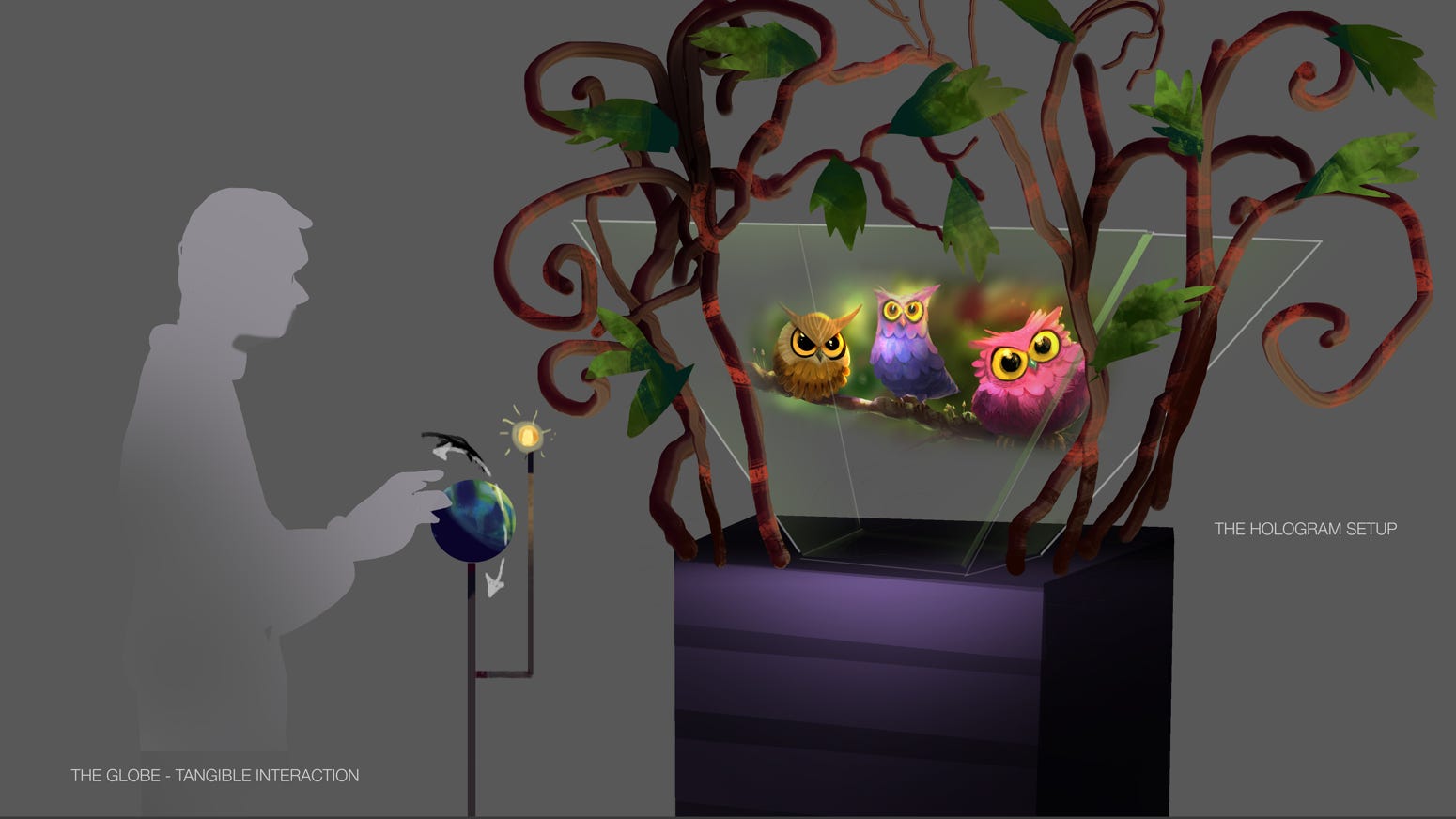
the user interacts with a physical globe, lit by a light source (the sun). And then, based on the touch and rotational gestures on the globe, the owl changes behaviour. In the process, the user interacts with the owl.
Visual Explorations
Our next step was to explore the various styles for the three characters and their animation. Our research came in handy to develop the stylisation at this stage.

Look Development
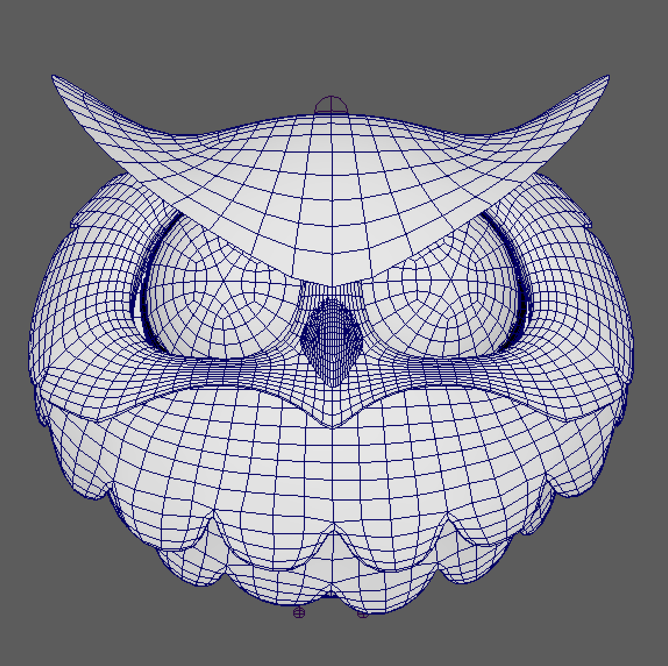
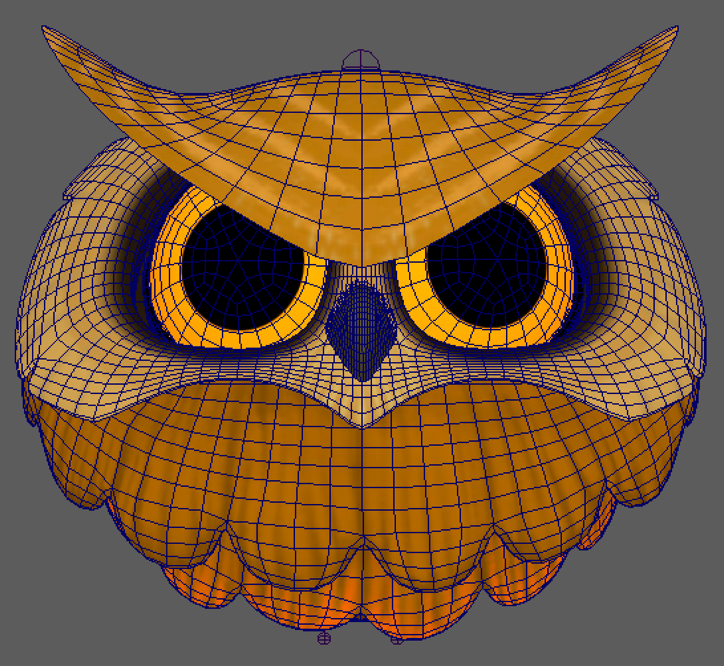
Asset Modelling

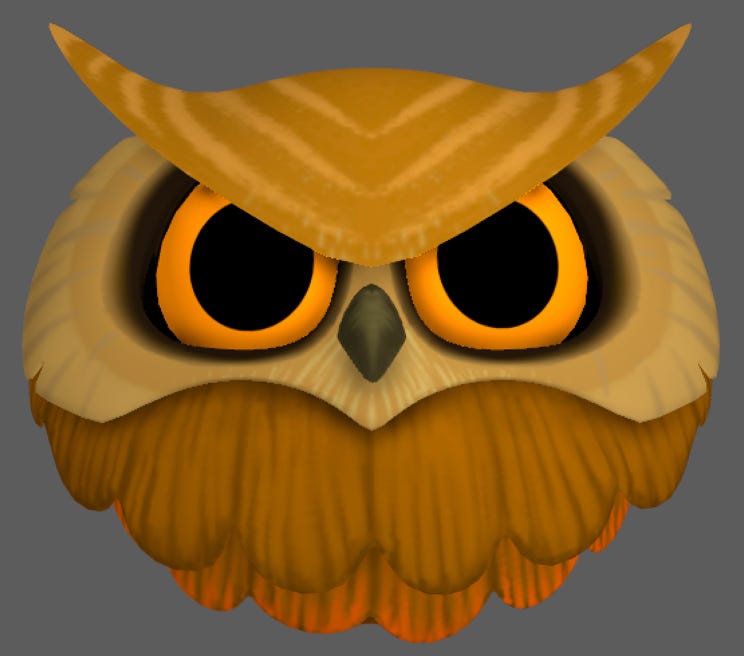
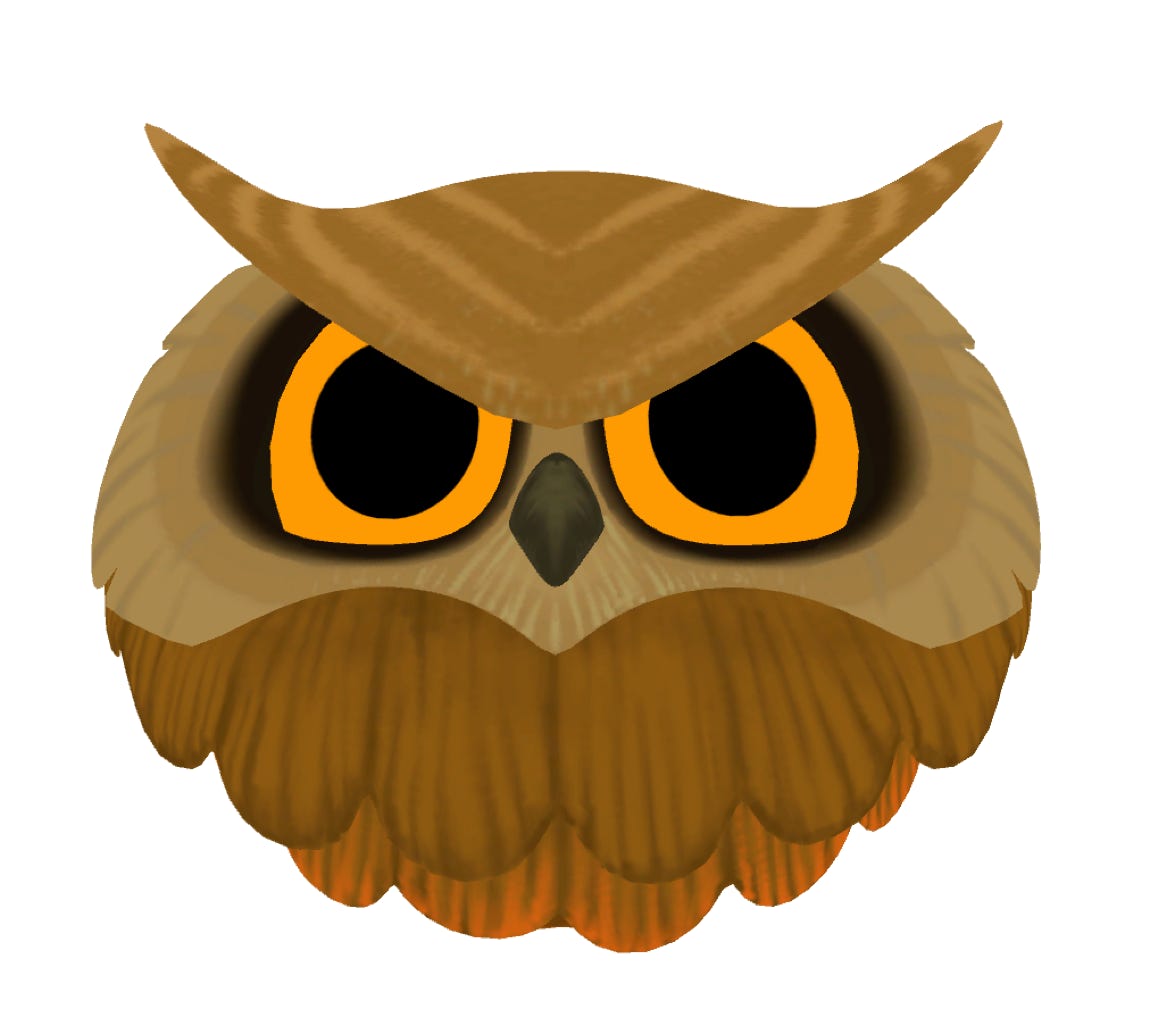
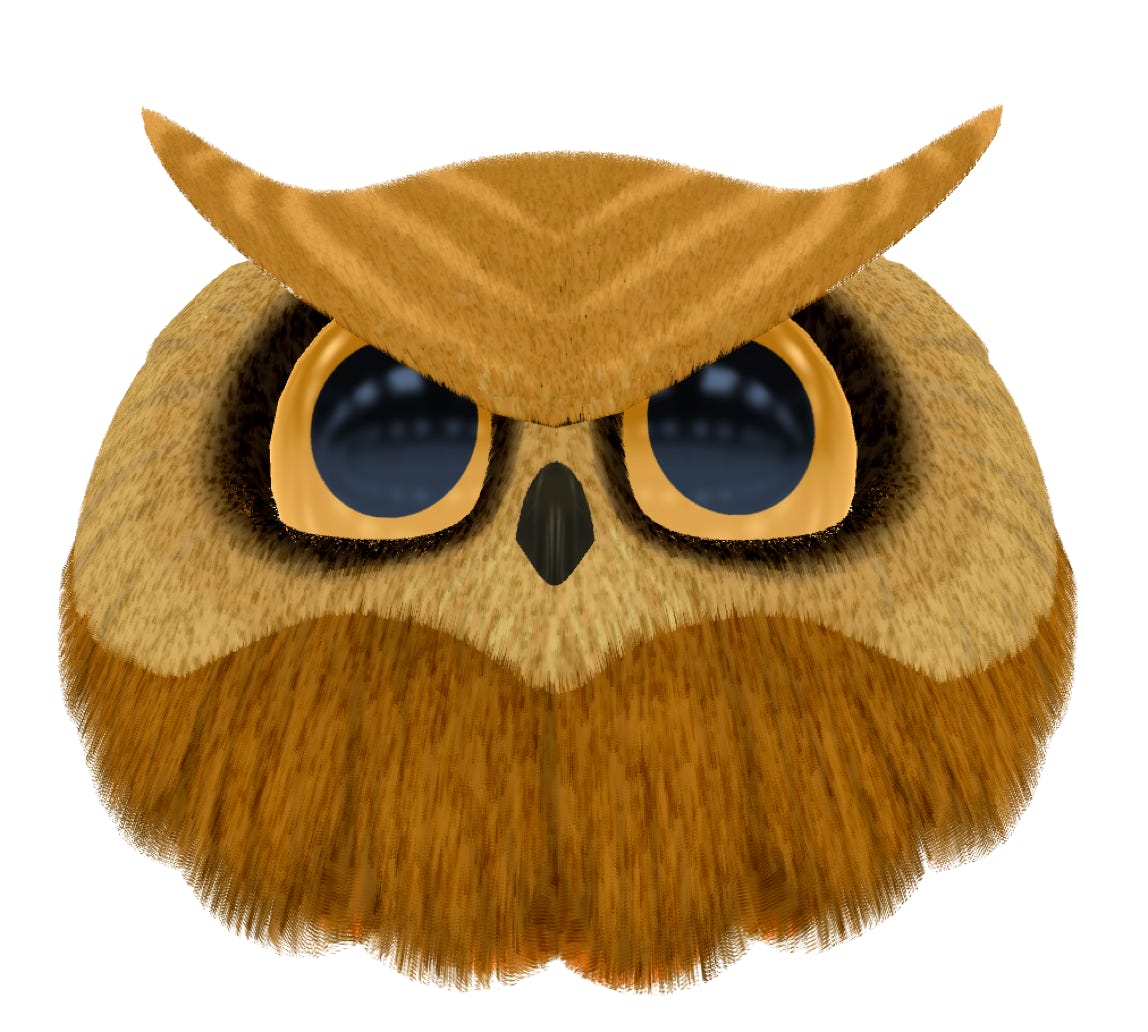
Feather Effects
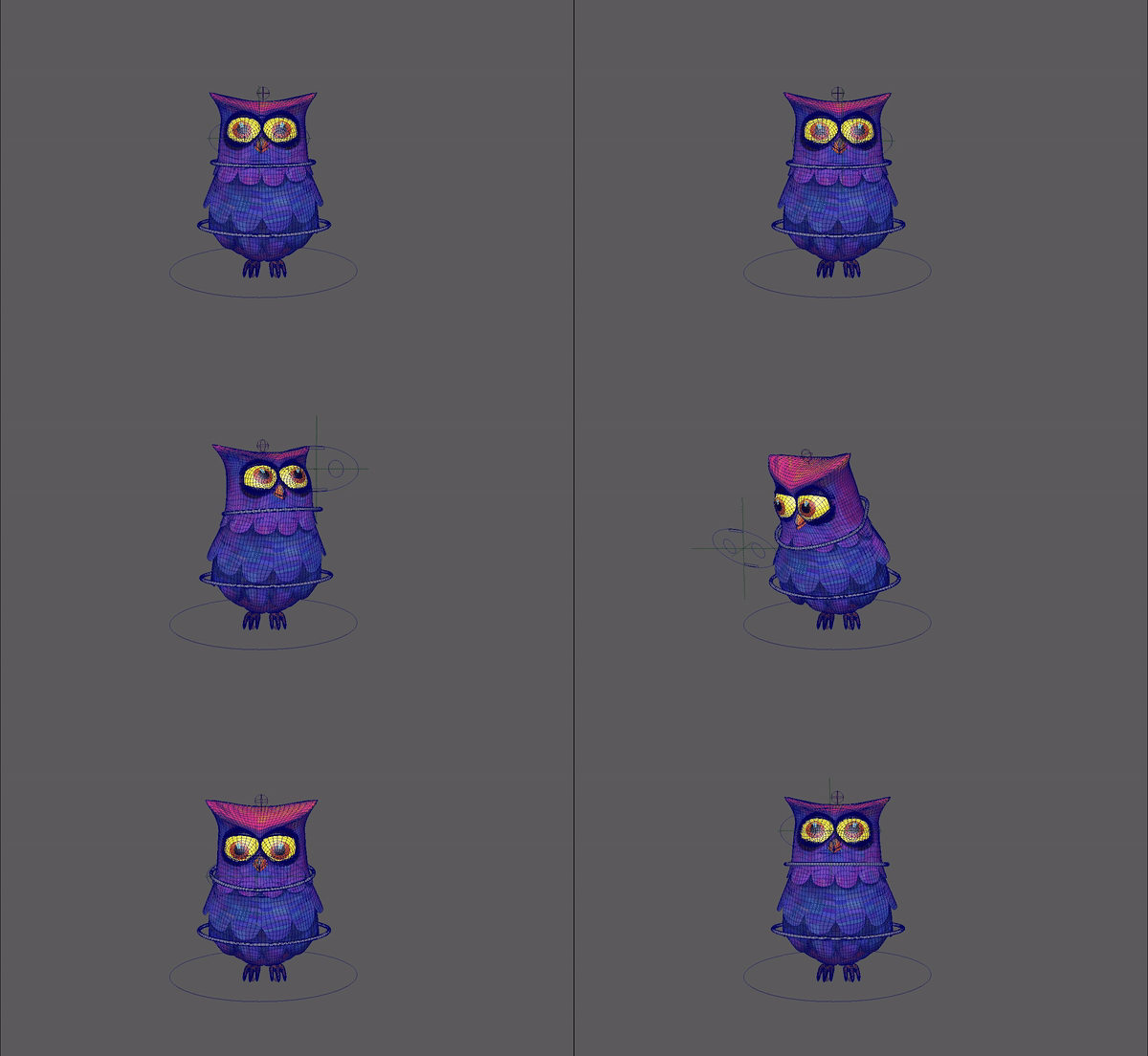
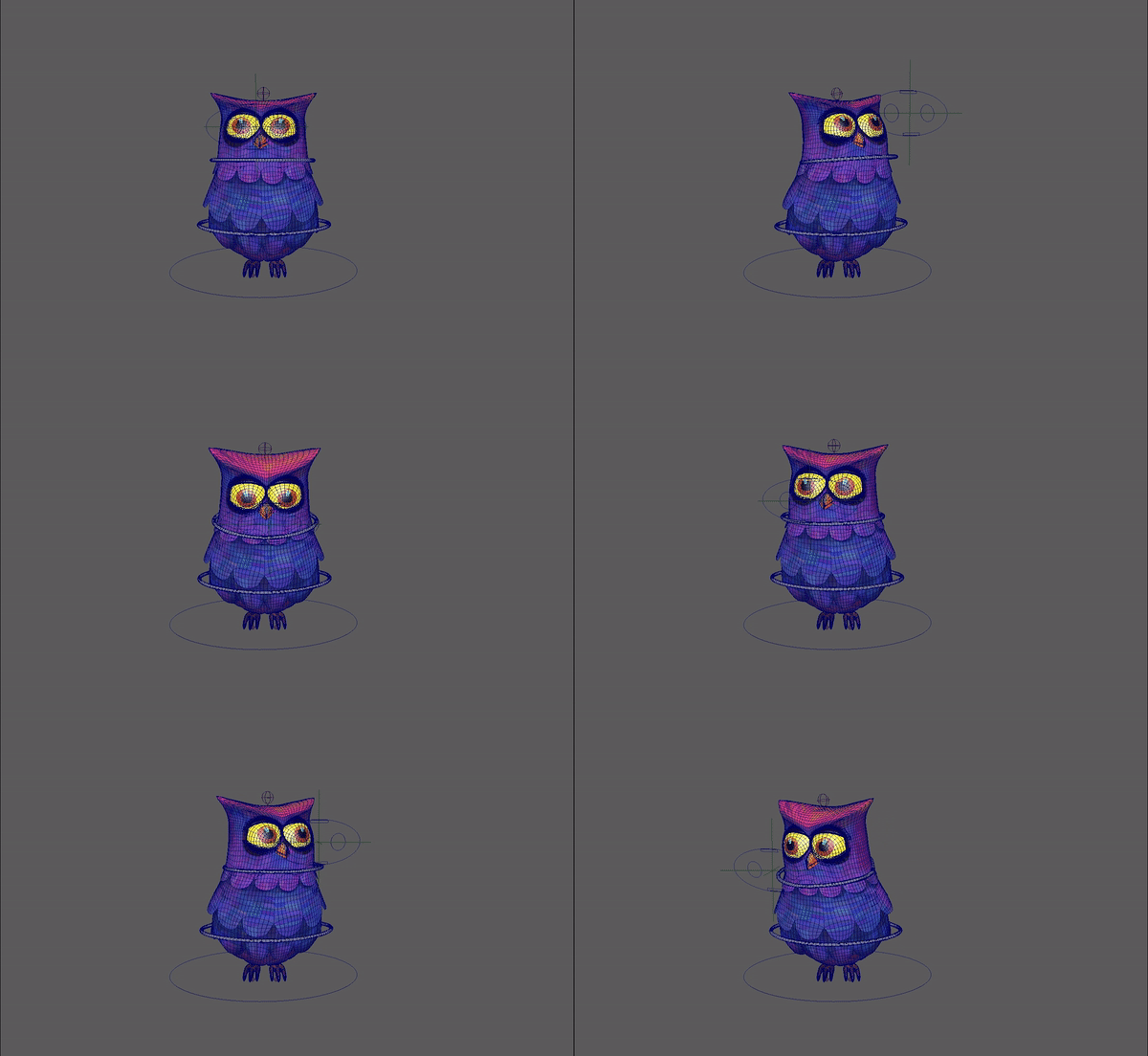
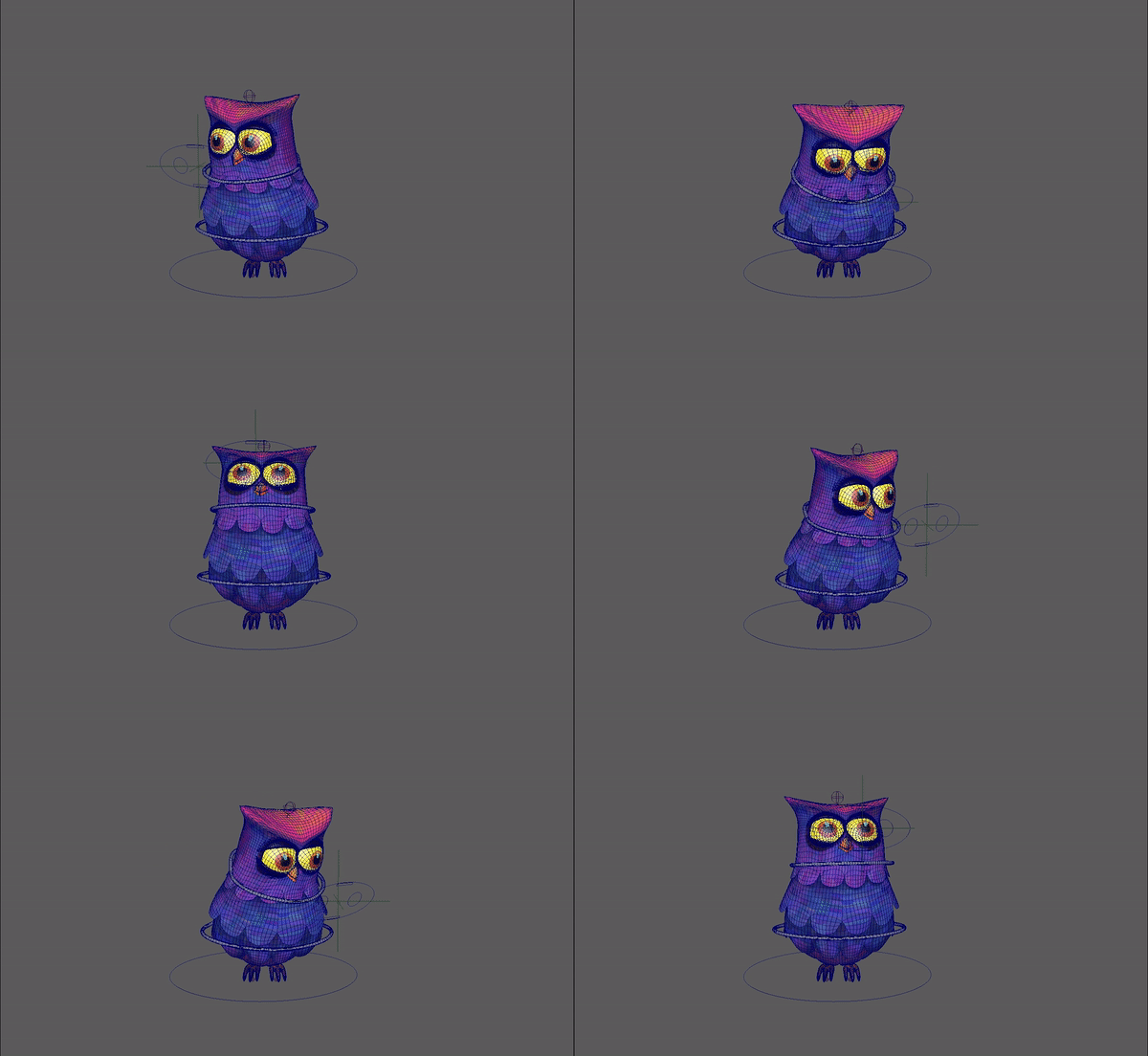
Animation
The final installation