Projects > Nature Embedded > Origin’s of life
Origins of Life
My Role(s): Research, Concept development and Tech solutions.
Creative Brief
Who would have imagined that once upon a time, humans were a sponge-like creature from under the deep oceans! The intriguing question of where we come from is today at the heart of an ongoing debate amongst evolutionary biologists, whose most recent research work points to our having descended from sponges that were a complex group of predatory creatures known as comb jellies.
So, if our ancestors were a sponge, “feeding by filtering tiny particles from the water” and that water was the seemingly unfathomable ocean, shouldn’t we then try to get a peek into the underwater world of living organisms? And better still, be able to experience the deep oceans by actually “seeing” how these organisms and animals moved around. Indeed, where life itself originated?
Concept
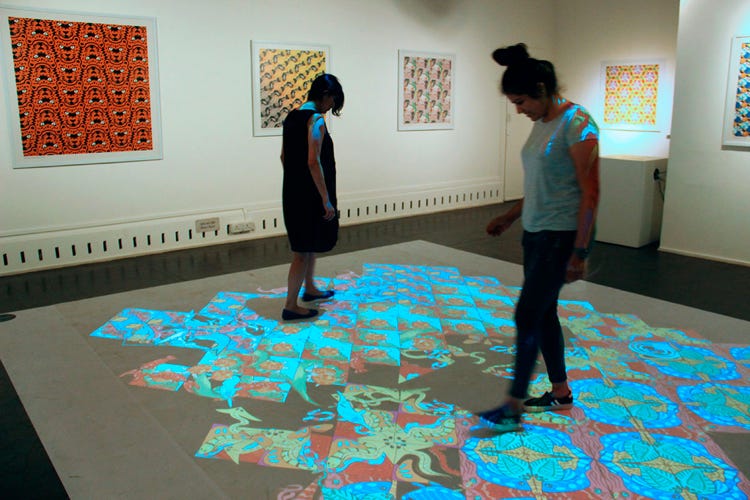
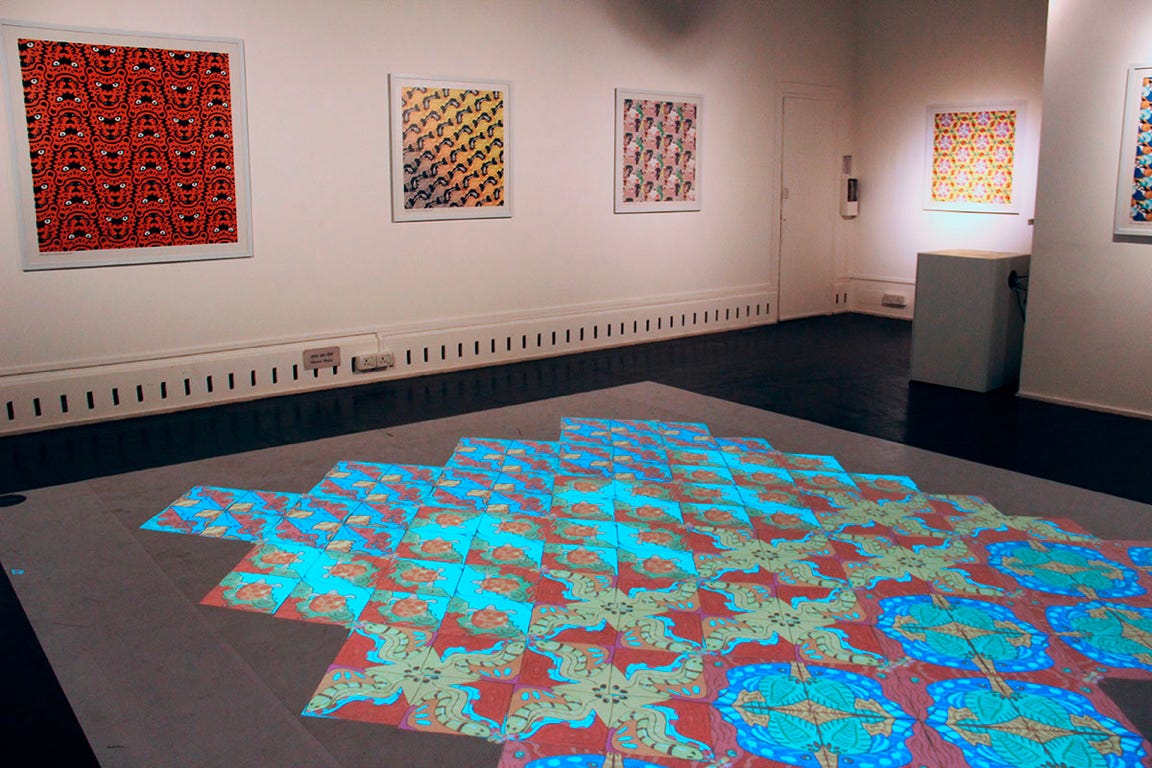
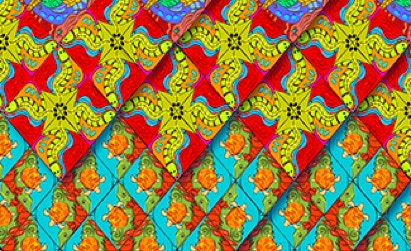
Welcome to the mysterious and the immensely complex world of living species under the ocean. Placed before you on the floor are interactive tiles, four sets to be precise, covering the four time periods of the existence of our planet since life came to originate on Earth.
Chosen for each time period are four to five underwater organisms, such as the trilobite (Devonian), the reptile (Carboniferous), lobster (Jurassic), and the blue whale (Tertiary). Besides the ones mentioned above, the tiles when stamped will activate all the other chosen organisms from the installation.
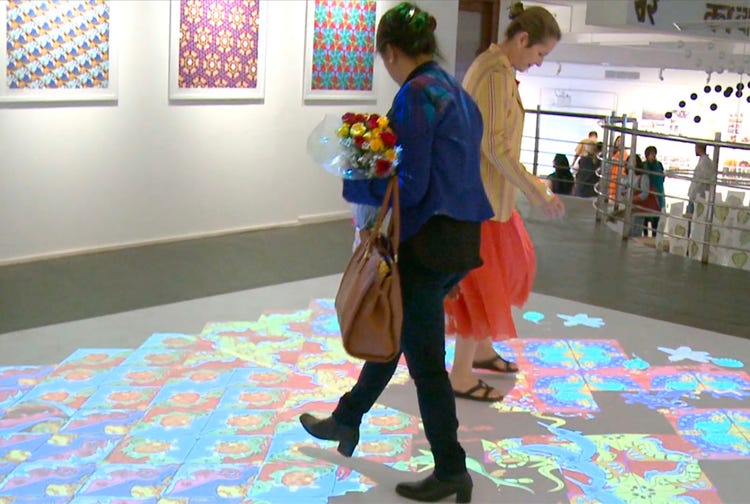
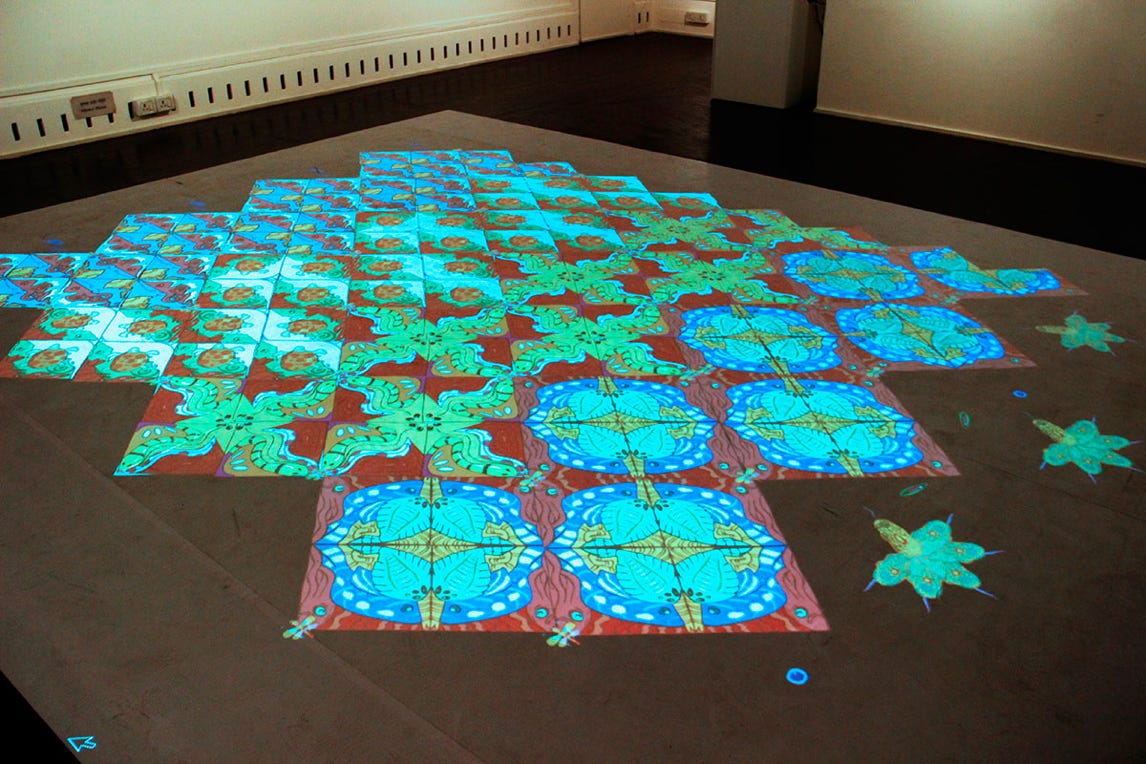
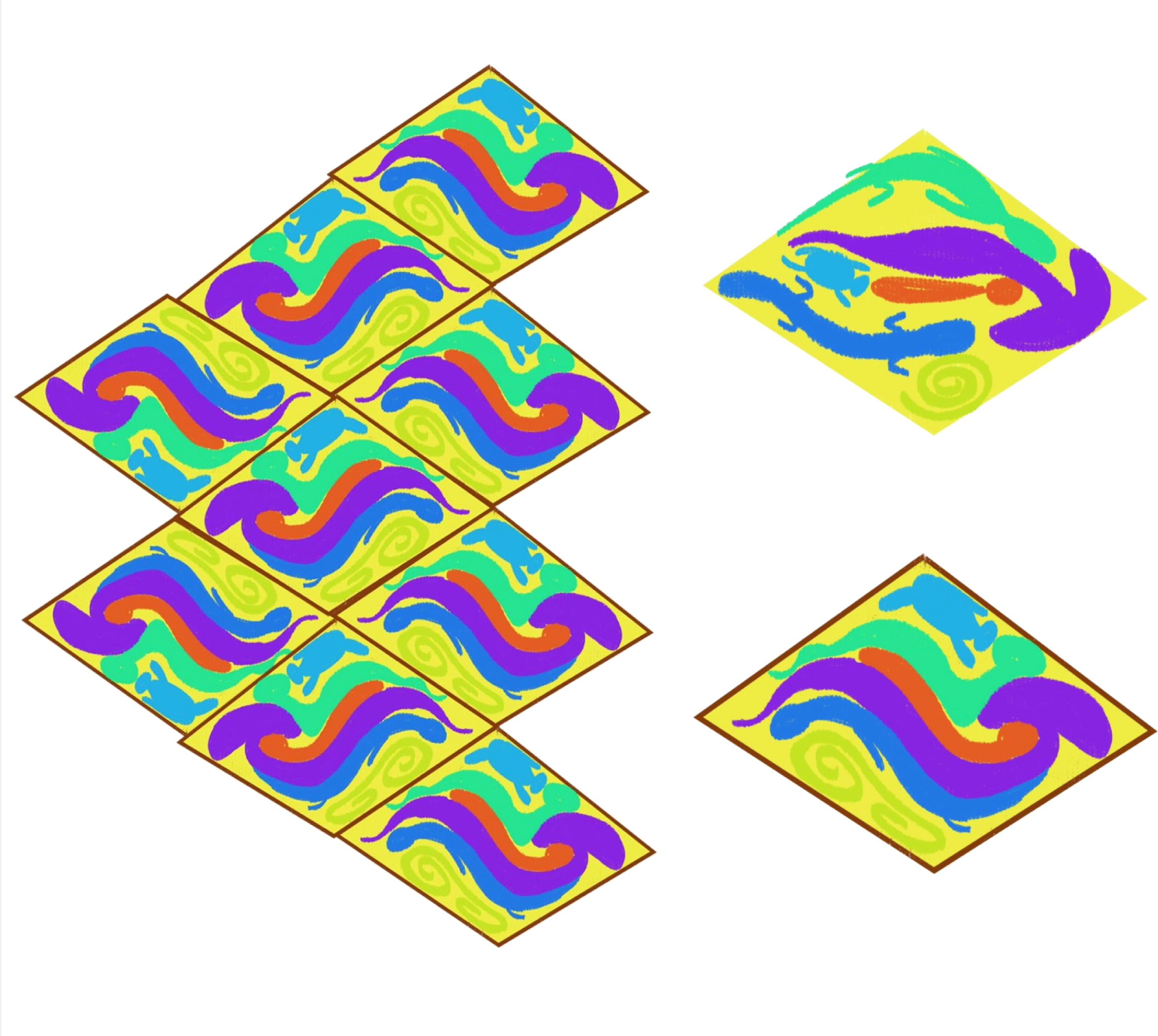
Further, the tiles are tessellated. Which is a visual technique that dovetails images with images to morph into one another. The tessellated tiles, in turn, have been animated and then made interactive to be stepped upon in order to activate the chosen sea organisms and get a glimpse of the world that lies hidden from our usual vision.
Welcome also to a world of “magical realism” where design helps build mystery and beauty out of complex information and ends up “humanizing” not only science but also philosophy. If what lies hidden can be thus unfurled through part human imagination and part data, then we have achieved the trick to see the unseen.
Research
Our team interacted with the experts in the field and the following were the understandings.
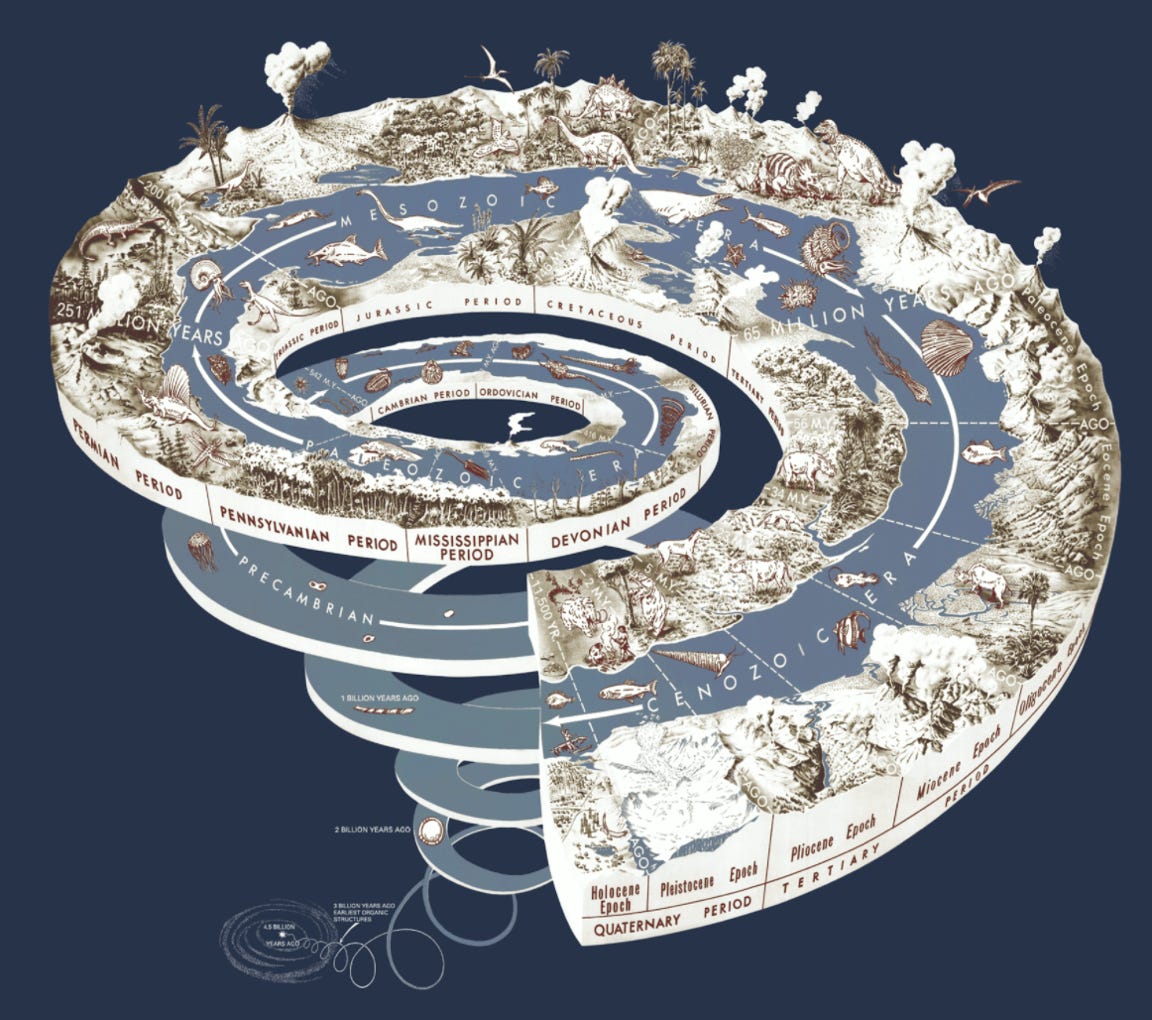
From our historic standpoint on the life forms’ origins, species have evolved over the course of generations through the process of natural selection and variations of life were generated through the branching pattern of evolution, i.e. all living organisms now living on earth have a common descendants. Diversity of species over the course of its evolution became an interesting crux of the theme , where we were able to form intricate pattern designs of living organisms, fitting them inside specific geometric shapes and aligning them like tiles as a homogenous repeating pattern. The main purpose was to reflect a bio-diversity of species on a visually seen tiled floor, and through interactive triggers have the tiles come to life as moving living creatures swimming on the floor.
Breakdown of the timeline
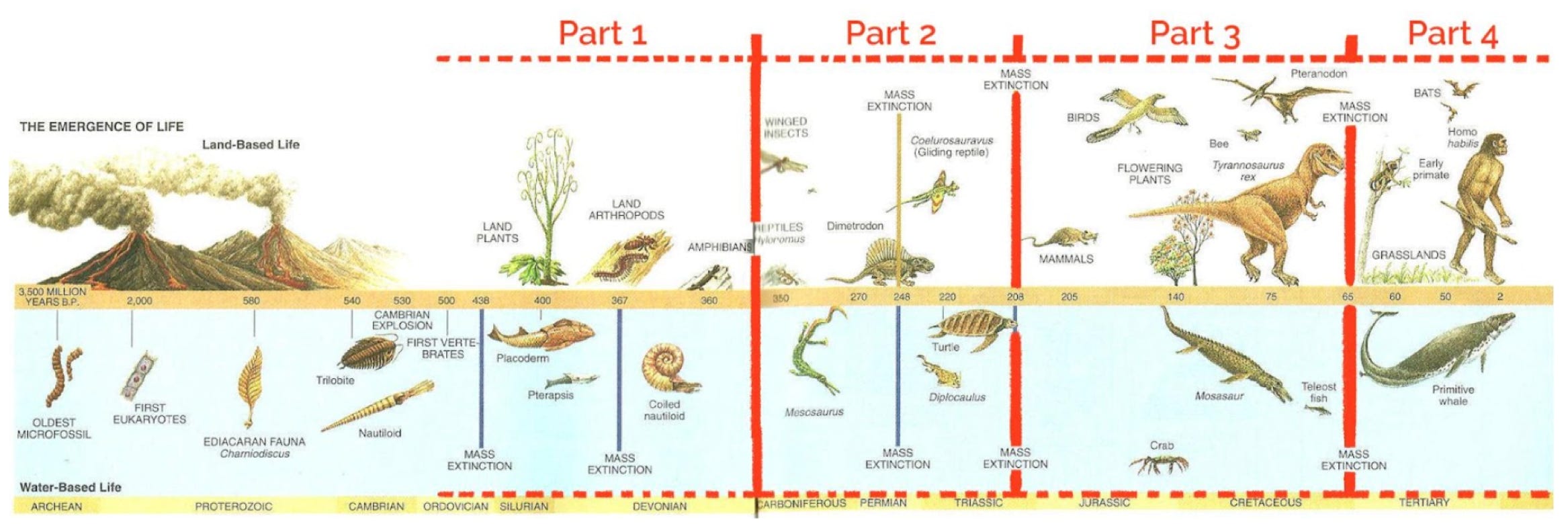
Next step was to divide the evolution timeline into four significant time periods that represent apparent transformation of organisms from one era to the next.
Following are the breakdowns on four eras:
Part one: Devonian Period
Part two: Carboniferous Period to Triassic Period
Part three: Jurassic Period to Cretaceous Period
Part four: Tertiary Period till present
Planning of the tiles for tessellation:
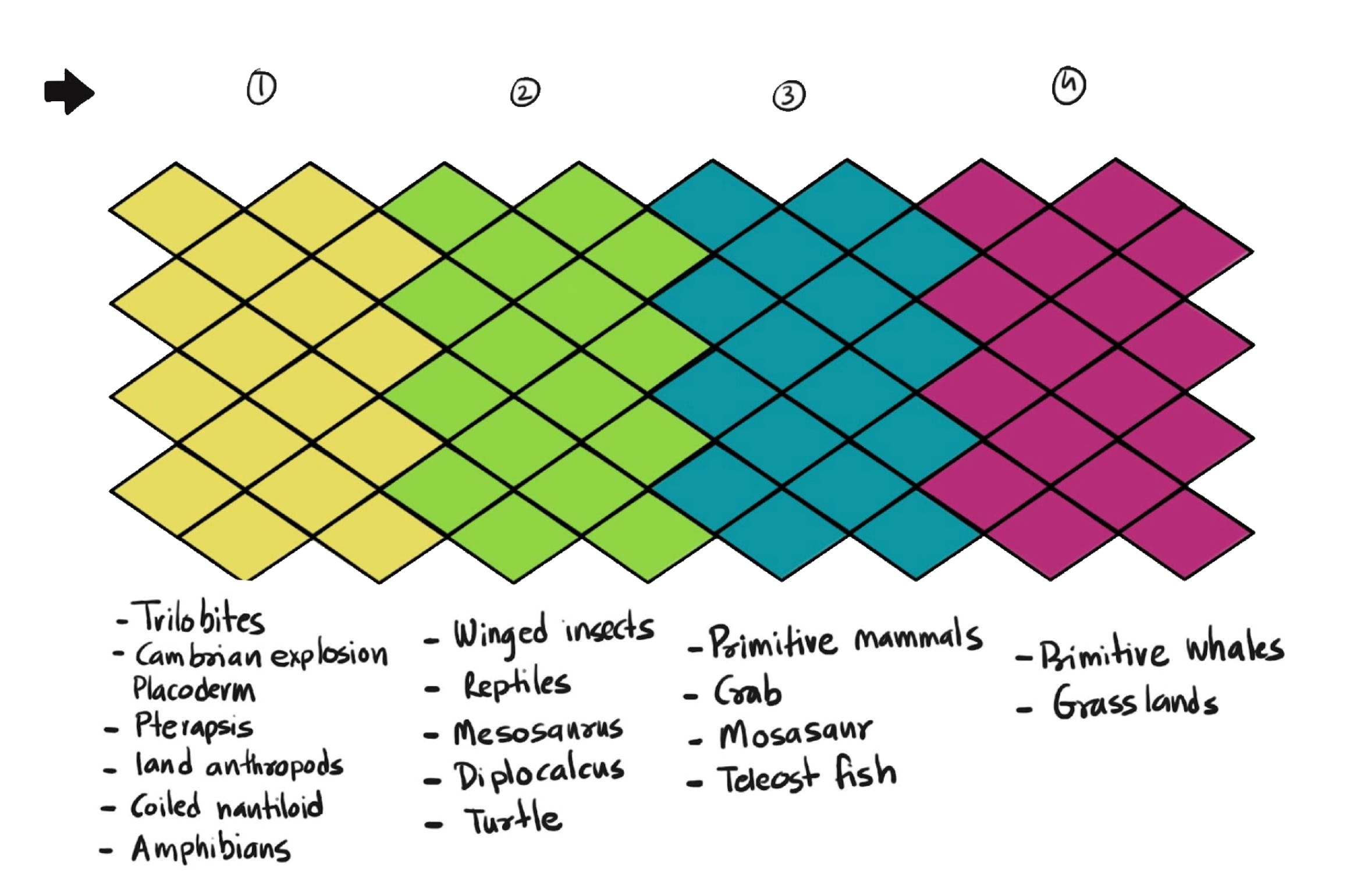
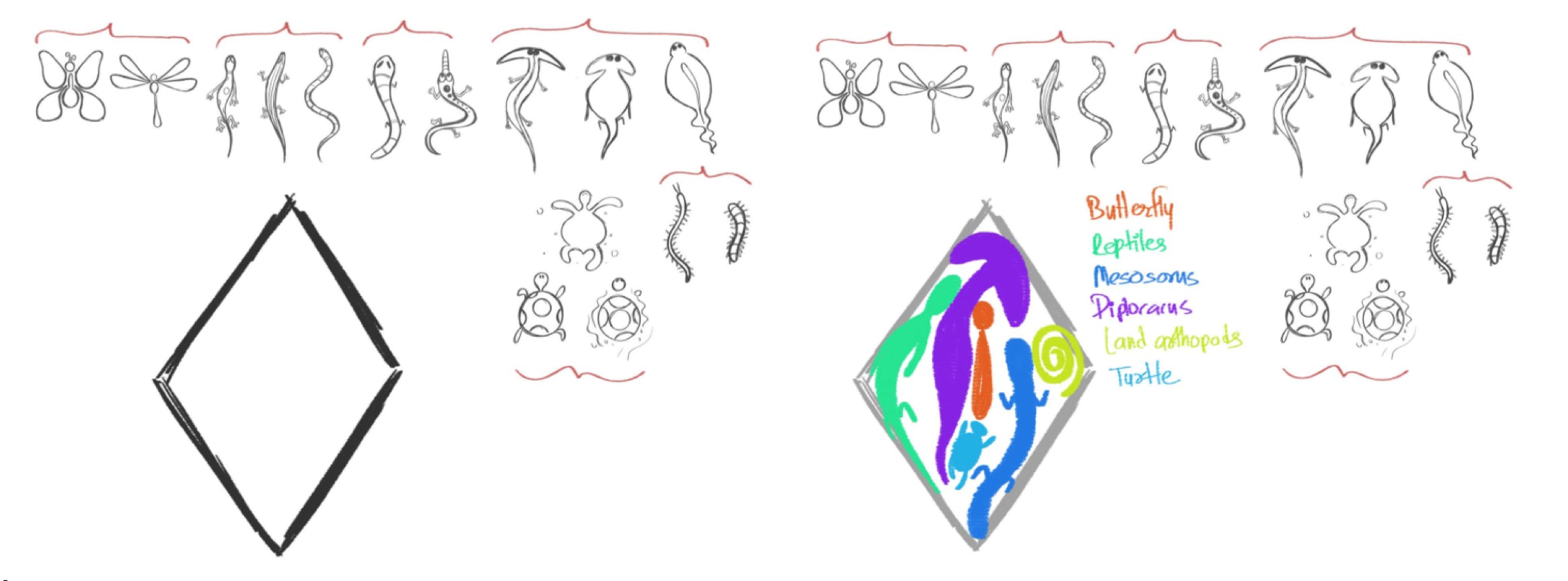
The layout of the whole tessellation design has been pre-visualised by simple rough blocking method, to give a good blueprint for us to follow throughout the design process.
The shape of a rhombus has been taken as the tile design, due to it simplicity in shape and rhythmic tile pattern that it creates overall.
Here is the breakdown of our four eras arranged in chronological order, where the colour coding signifies the distinct variety of tile design which are needed to be created:
Reference collection and research
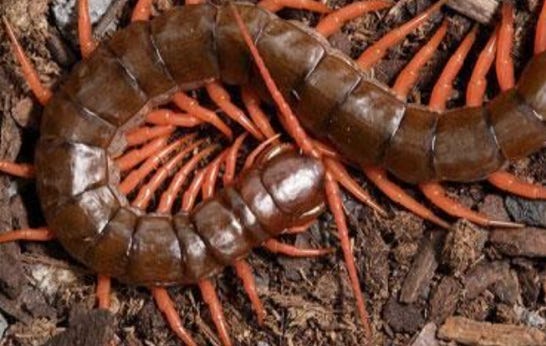
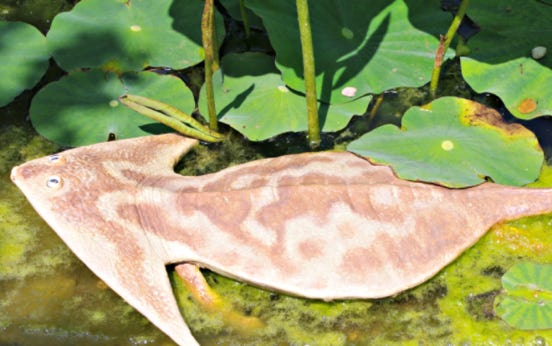
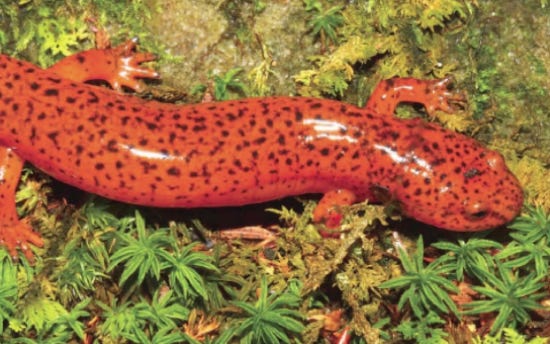
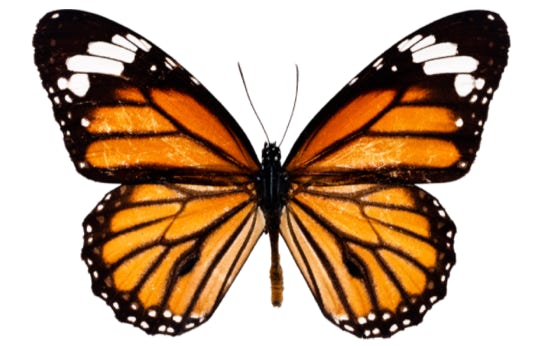
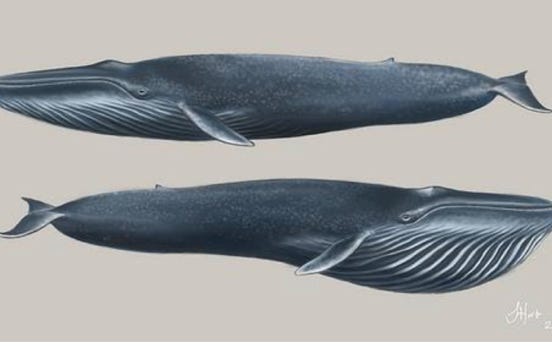
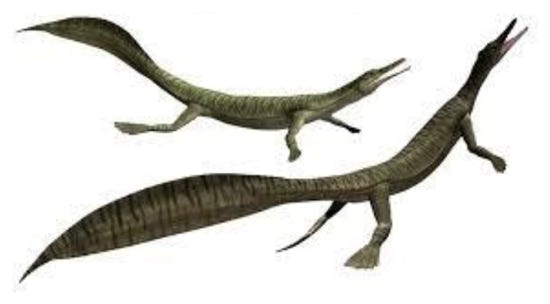
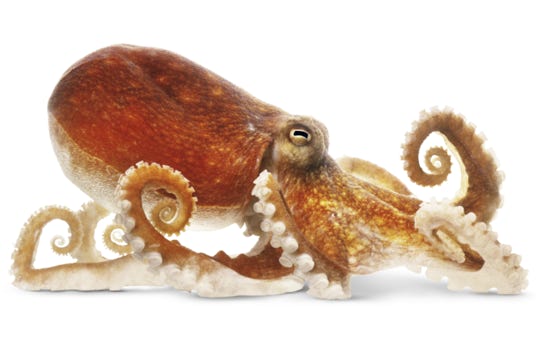
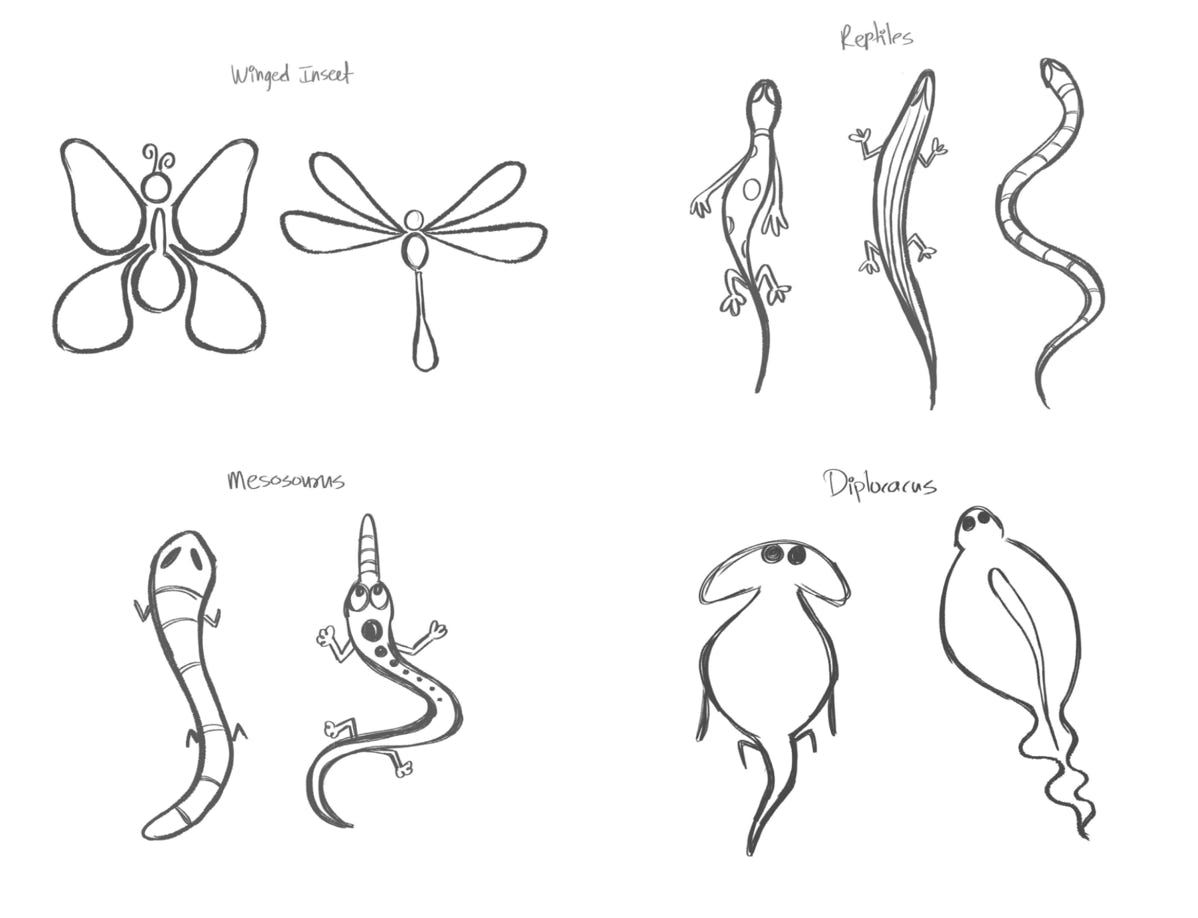
Our research on designing the tiles was intensive and precise towards the species that were selected, majorly understanding and visualising how they can be simplified in design and understanding their movement. Here are the various animal species selected for the selected eras:
Part one:
1] Kujdanwiapis Podolica
2] Nautiloid Cephalopod
3] Trilobite
4] Pikaia
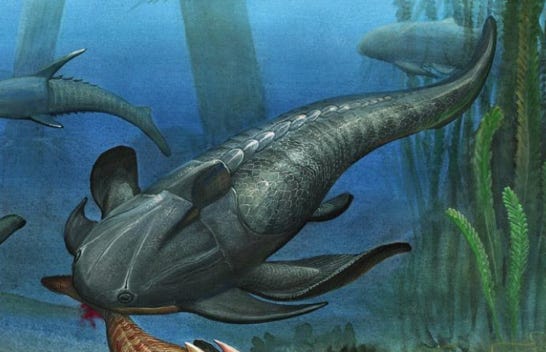
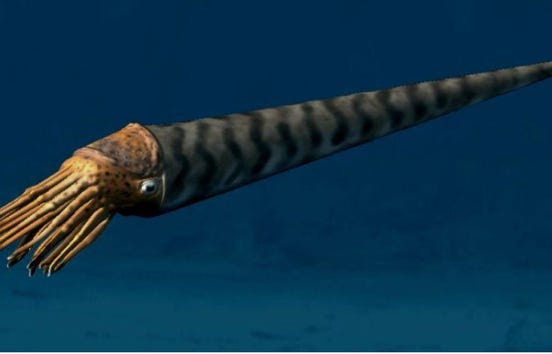
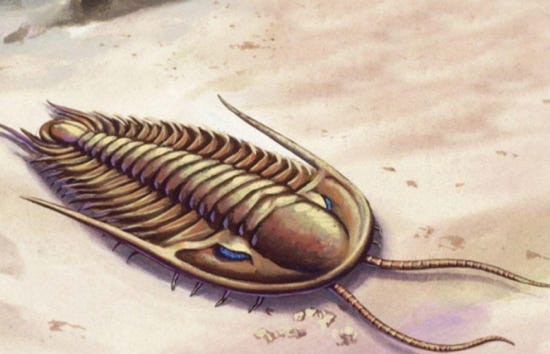
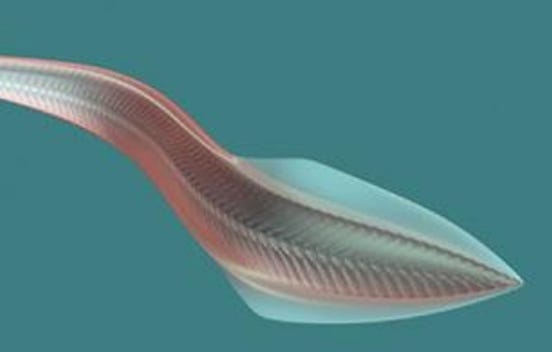
Part two:
1] Land anthropods
2] Diplocaulus
3] Hylonomus
4] Winged insects
1] Pseudostacus (lobster)
Part three:
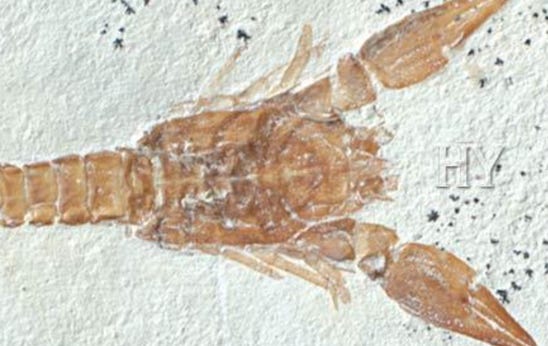
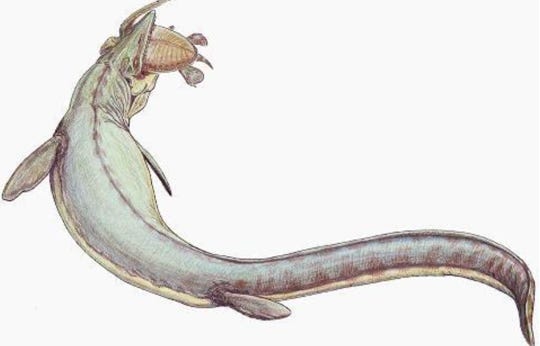
2] Masosaur
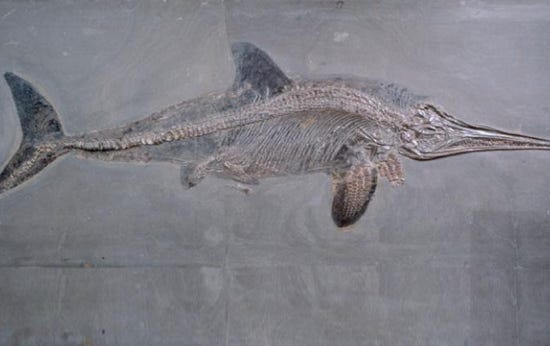
3] Ichthyosaurus
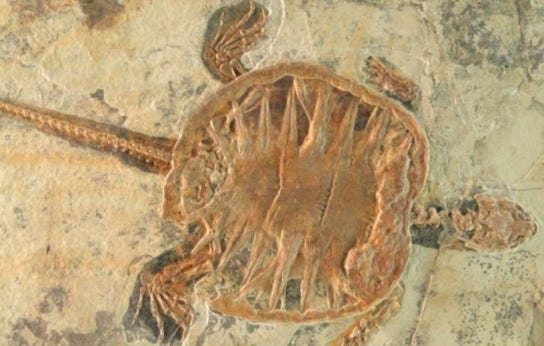
4] Desmatochelys padillai
1] Blue whale
Part four:
2] Masosaur
3] Jellyfish
4] Squid

Visual Development
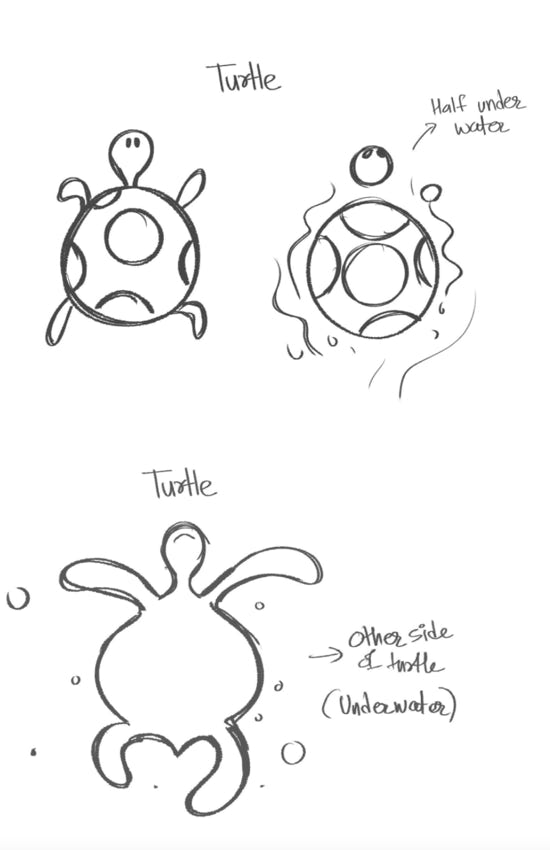
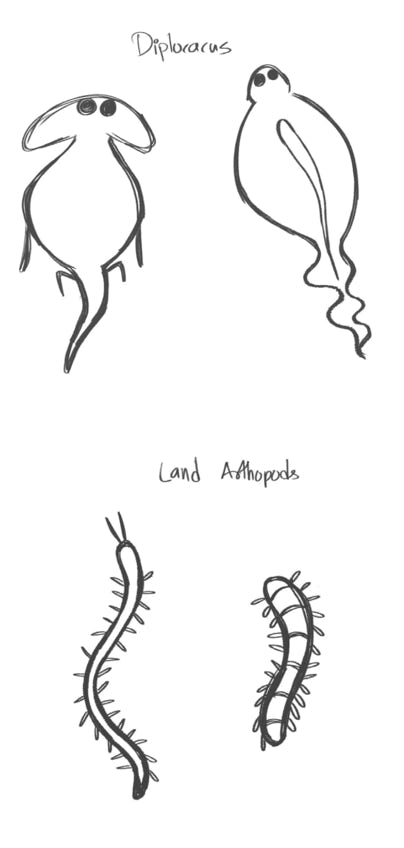
The next step was to simplify the life forms to be able to animate
Animation Design
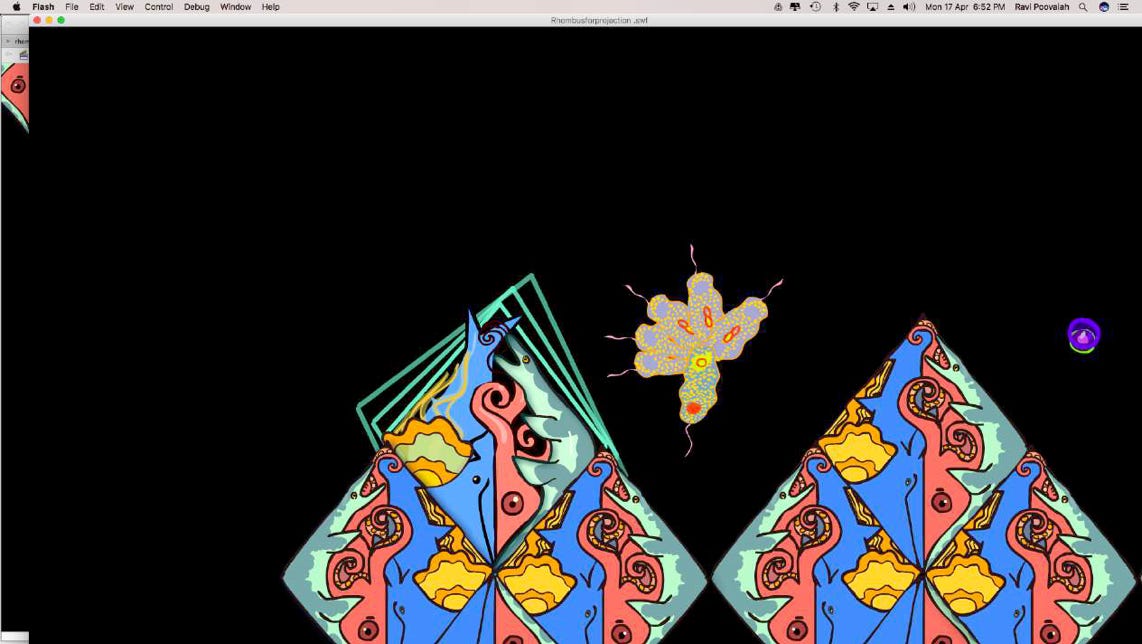
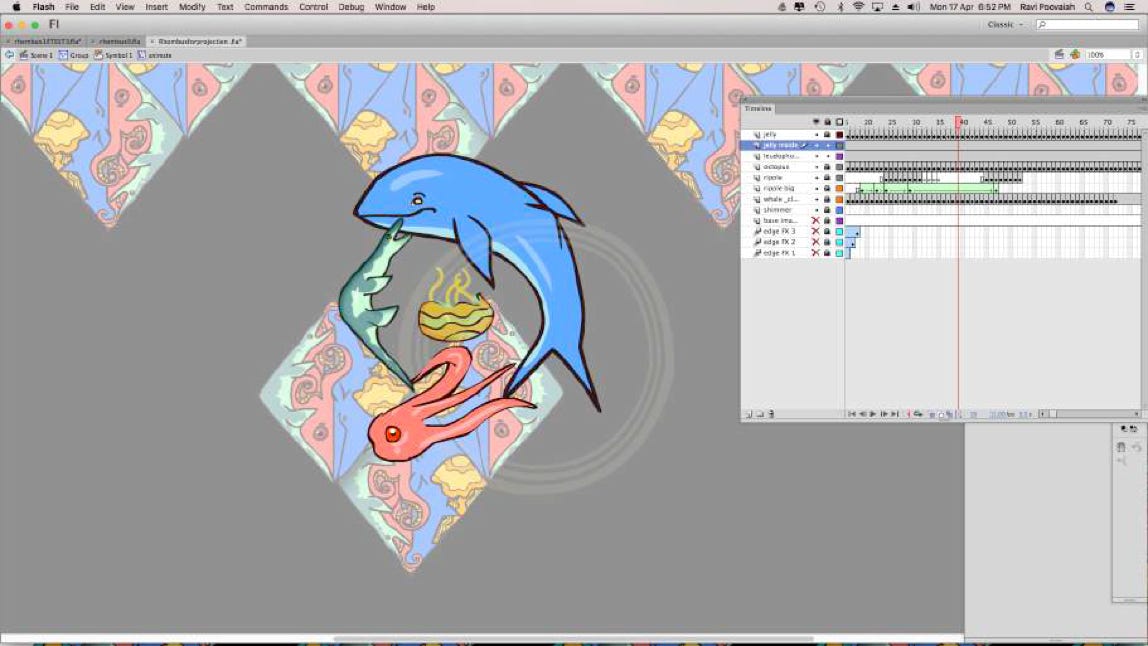
After the tile designing was completed and finalised, the process of animating the tile design took place. All the four sections were separately handled and animated, to make sure every section has a distinct look and feel in the end, instead of having a monotonous similar animation style. Thus different individual designers handled the tile design and the animations of every section.
Technical Setup
We combined a Motion sensor with a projector and installed it on the ceiling. The projector was used to project the tessellation on the floor while the motion sensor tracks the movement of people on the floor.
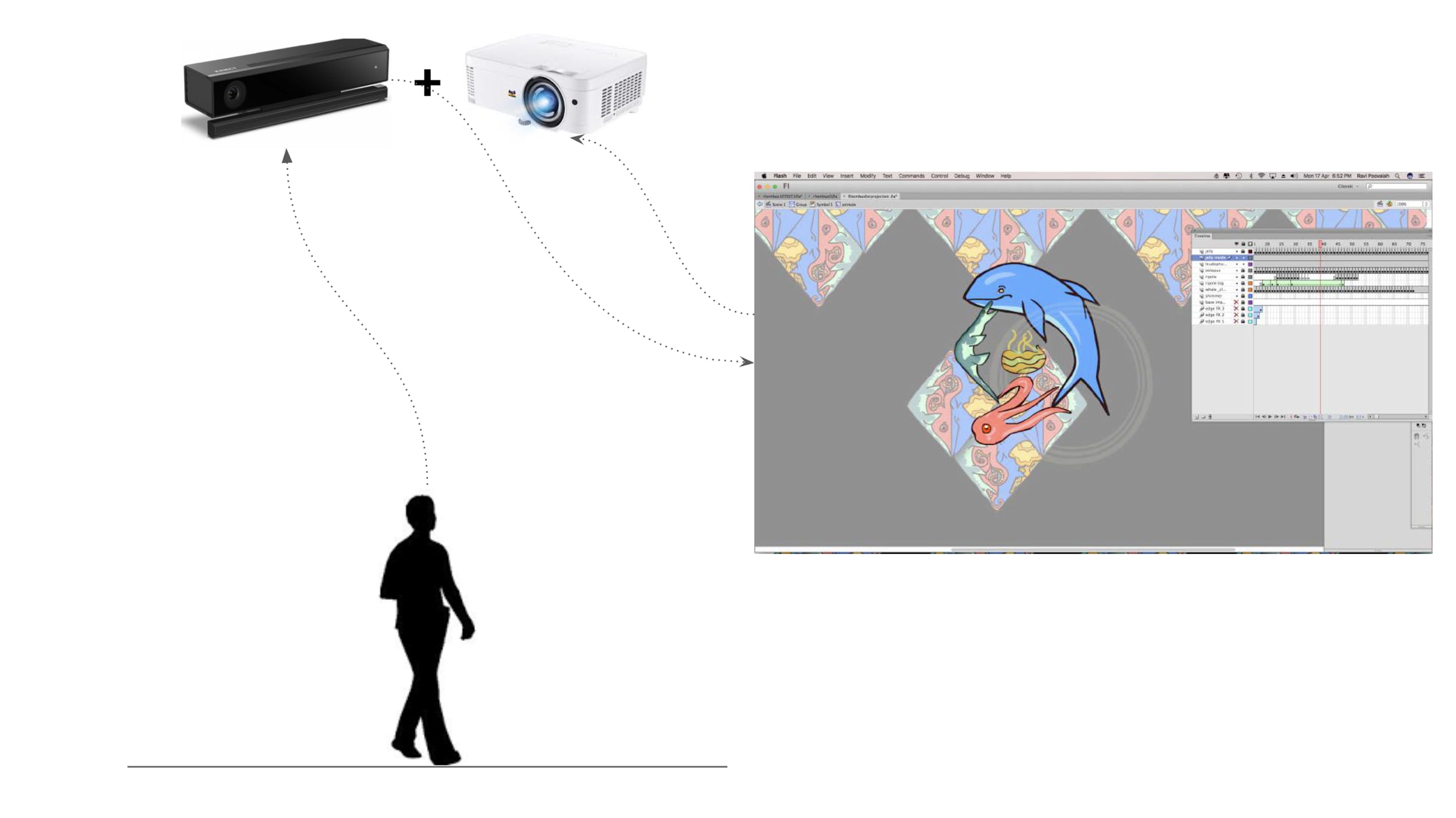
Kinect motion sensor
Projector
The motion sensor detects the position of the person on the ground
The motion sensor Sends the coordinates to the system.
Floor
A python script snaps the cursor on the corresponding tile on the screen and the animation on that particular tile is played. Which is projected on the floor through the projector.
This creates an illusion that the tiles where the person is stepping on is being animated.
The final installation in action